Refrigerant Gas Supply
R22, R410A, R134a, R404A, R407C, R507 and R32 supplied in cylinders to suit the job.
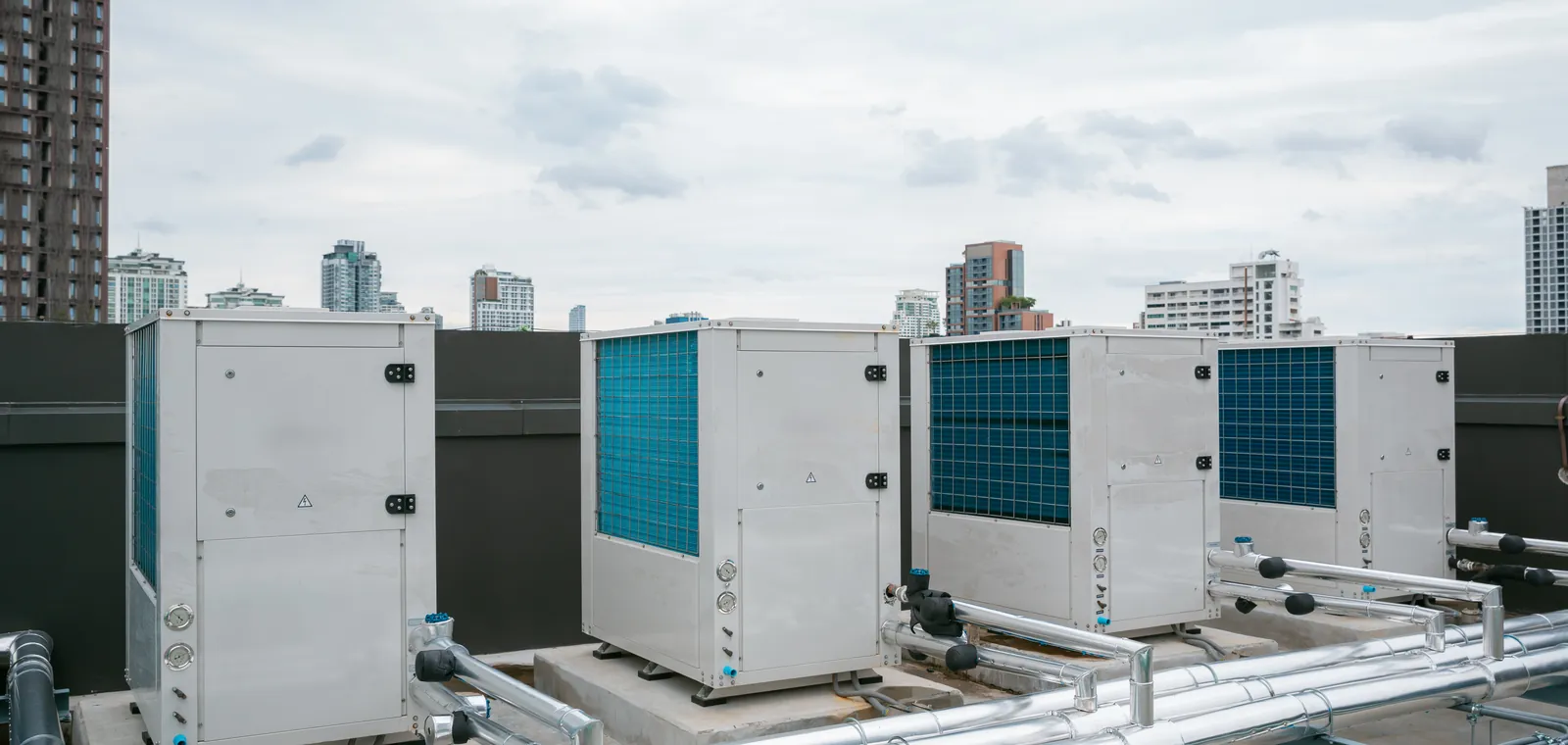
Freon & Refrigerant Gas
Freon supply, gas charging and top-ups, leak detection and repair, recovery and reclaim, and conversions to modern refrigerants — carried out safely on industrial and commercial systems.
Overview
"Freon" is the name most people use for the refrigerant gases that move heat around an air-conditioning or refrigeration system. Get the charge wrong — too little, too much, or the wrong gas entirely — and efficiency drops, compressors fail early and running costs climb.
VeeKay supplies, charges, tests and recovers refrigerant across the full range in common use: R22, R410A, R134a, R404A, R407C, R507 and R32. Every job starts with identifying the correct gas and finding out where any losses are going — not simply topping up and moving on.

Our Refrigerant Services
From a single cylinder to a full plant conversion — supplied, fitted and documented.
R22, R410A, R134a, R404A, R407C, R507 and R32 supplied in cylinders to suit the job.
Systems charged by weight to the manufacturer's spec, then performance-checked under load.
Electronic detection, nitrogen pressure testing and UV tracing to find losses — then a proper repair.
Old or contaminated gas recovered into dedicated cylinders for reclaim or controlled disposal.
Ageing R22 plant converted to modern alternatives, with oil changes and component checks.
Correct storage, transport and logging of quantities added or recovered on every visit.
Gases We Handle
Not sure which one your plant runs on? Send us the data plate and we'll confirm it.
Split, ducted and VRV/VRF systems in offices, retail and hospitality. R32 offers a lower global-warming potential.
Coldrooms, freezer rooms, display cabinets, chillers and cold-chain plant.
Older installations still running R22, and R407C as a common retrofit route as R22 is phased out.

Why VeeKay
Gas work is done by trained refrigeration technicians who understand the whole system — not just the cylinder.
If a system is losing gas, we find out why. Chasing the leak costs less than refilling it every few months.
Recovery equipment on every job. Refrigerant is contained and reclaimed — releasing it to atmosphere is never an option.
Storage, transport and charging carried out in line with current refrigerant-handling and safety standards.
Gas type, quantity added or recovered, readings and findings recorded — so you have a proper service history.
Where We Work
Our Process
We confirm the refrigerant type, system size and correct charge weight before touching anything.
Pressures, superheat, subcooling and leak checks tell us what the system is actually doing.
Any leak is repaired and the system evacuated and vacuum-tested before new gas goes in.
Refrigerant charged by weight, then the system is run and verified under real operating load.
Gas type, quantities and readings logged, with recommendations if further work is needed.
Freon FAQs
Get started
Tell us the equipment and the symptoms — we'll confirm the refrigerant, quote the work and get your system back to spec.
Or call our engineering team — +27 10 502 2577 +27 79 351 6758 +27 63 839 4390
